
Blog ·
We are not ready to get rid of the nativity and here is why…
My daughter woke me up this Sunday with “Mama, I had a dream that we put on a school play, and it was really fun. I wish it was real.”
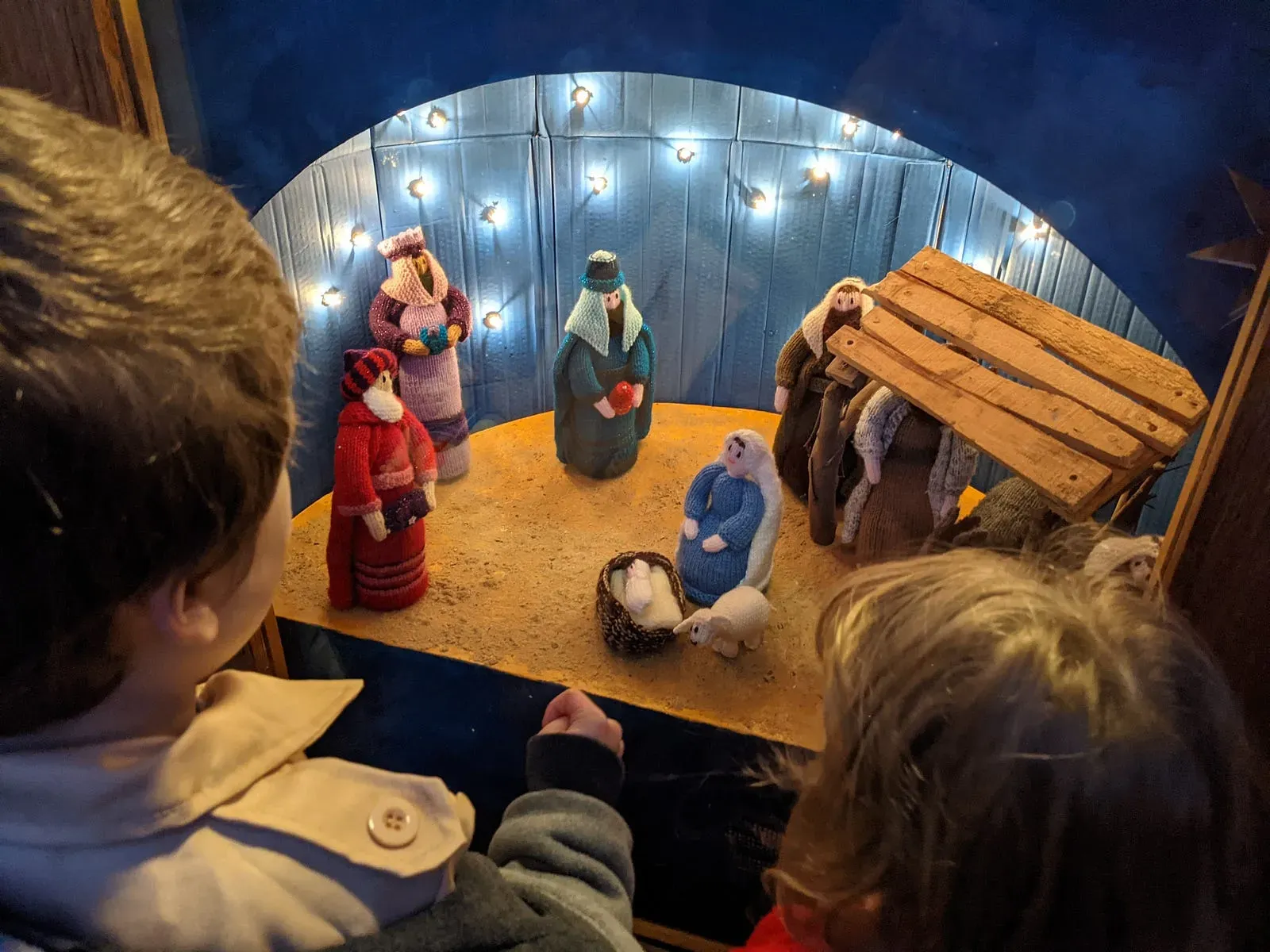
A teacher that I met at the Curriculum and Assessment Review (CAR) event shared that “what poor kids need is more maths and literacy, not more art, how is that going to help them?”. As a child I routinely had to experience the subjects that I considered myself bad at. Maths left me in cold sweats and feeling pressured, an experience that I had to go through daily. Why? Because maths is at the top of the hierarchical subject structure. Drama however, is at the bottom, very rarely did I get to experience a subject I could feel at ease with and successful in. In the school I currently work at, creative specialists (check out Artis (opens in a new tab)) visit classes weekly to engage children in drama games, confidence building activities and exploratory voice work. However for many schools drama is barely visible, unless it is in the form of the nativity.
Perhaps we should first question some of the other demands that take up so much of our time and leave so little room for creativity, before considering removing one of the few opportunities children have to experience it? For example, how does the persistent reduction of reading pleasure to make room for phonic scheme tedium feel for those that find reading challenging?
Am I here to declare my love for the nativity play? Absolutely not, I certainly don’t feel attached to the tradition. My teaching experience is mainly in the Early Years and Key Stage 1 which comes with regular problematic, nativity responsibilities. One of my past senior leaders called the entire cast together following a dress rehearsal, to come down hard on the children and team, stating it wasn’t up to school standards and that it would be an embarrassment if we didn’t sort it out within the next 48 hours. The pressure to get it perfect can be immense, and unnecessary. I was also given the task of organising and rehearsing the nativity in my NQT year, which seemed an overwhelming task for a new teacher, full of expectation. This level of stress and a lack of teacher autonomy has a negative impact on the children taking part in a performance that has predetermined outcomes.
I agree with Alistair Bryce-Clegg’s sentiment in his article ‘Ditch the Nativity’ (opens in a new tab) that “…a performance (as with any creative product) needs to be the result of a process that is relevant to our children and the skills they are developing”* What kept me sane throughout my years delivering nativity plays was my strong belief in process - balancing expectation and accountability with the exploratory dramatic processes was of utmost importance to me - perhaps an understanding born from the privilege of a Drama and Theatre degree? Autonomy is key here, allowing practitioners to decide whether, and how, to put on an end-of-year performance, with decisions made collectively within each setting. This recognises that every school community is different and that decisions should reflect the needs, values and circumstances of that particular context, rather than being dictated by a blanket expectation that a nativity must, or must not, take place. It acknowledges the nuance of working with people and the importance of professional judgement in responding to that complexity.
Bryce-Clegg also states that the nativity “… perhaps causes all concerned more angst than joy.”*. Again, I agree that this can often be the case, for teachers the level of nativity burden when balanced on top of maintaining an already packed timetable and pressure to still achieve ‘good levels of development’ can feel impossible. My argument is that, right now, as the system stands, if the nativity goes, what does it get replaced with? More maths mastery, phonics and handwriting drudgery?
My morning routine in year 1 consists of back-to-back handwriting, reading, phonics and literacy with little breath in between. Post nativity meeting last week, us teachers have been given the green light to practice songs in class and have replaced some of the business-as-usual with singing and acting. I welcome the respite and believe the children will too.
Until we have safely embedded drama into our curriculum, we must do everything to keep this protected space each year; the nativity might be the only guarantee that children will get to experience the joys of a script, a story coming to life, singing together, an audience showing appreciation. Without it, we risk losing drama altogether.
Is the nativity an ideal platform for creativity? I don’t believe so. My preference would be for drama to be woven throughout the school day, with children given regular opportunities to explore, experiment, perform and create. But until that becomes a reality, the nativity remains one of the few guaranteed opportunities for many children to experience drama. We shouldn’t be so quick to surrender it without first asking what will take its place.
The answer isn’t necessarily to cancel every nativity, nor is it to insist that every school puts one on. It’s to trust practitioners to make those decisions, to recognise the importance of process over product and, crucially, to ensure that creativity doesn’t disappear from children’s school experiences altogether. If we are going to get rid of the nativity, let’s first make sure we have something much better to offer in its place.
- Read more about autonomy in my book Teacher Autonomy. Where Has It Gone And Why We Need It Back. Routledge 2026. (opens in a new tab)
- Read Alistair Bryce-Cleggs article “Ditch the Nativity” here. (opens in a new tab)
- Read more about the Curriculum and Assessment Review Report (opens in a new tab).
*https://abcdoes.substack.com/p/ditch-the-nativity (opens in a new tab)