
Blog ·
What belongs in a comfort box?
Co-regulation through shared tools
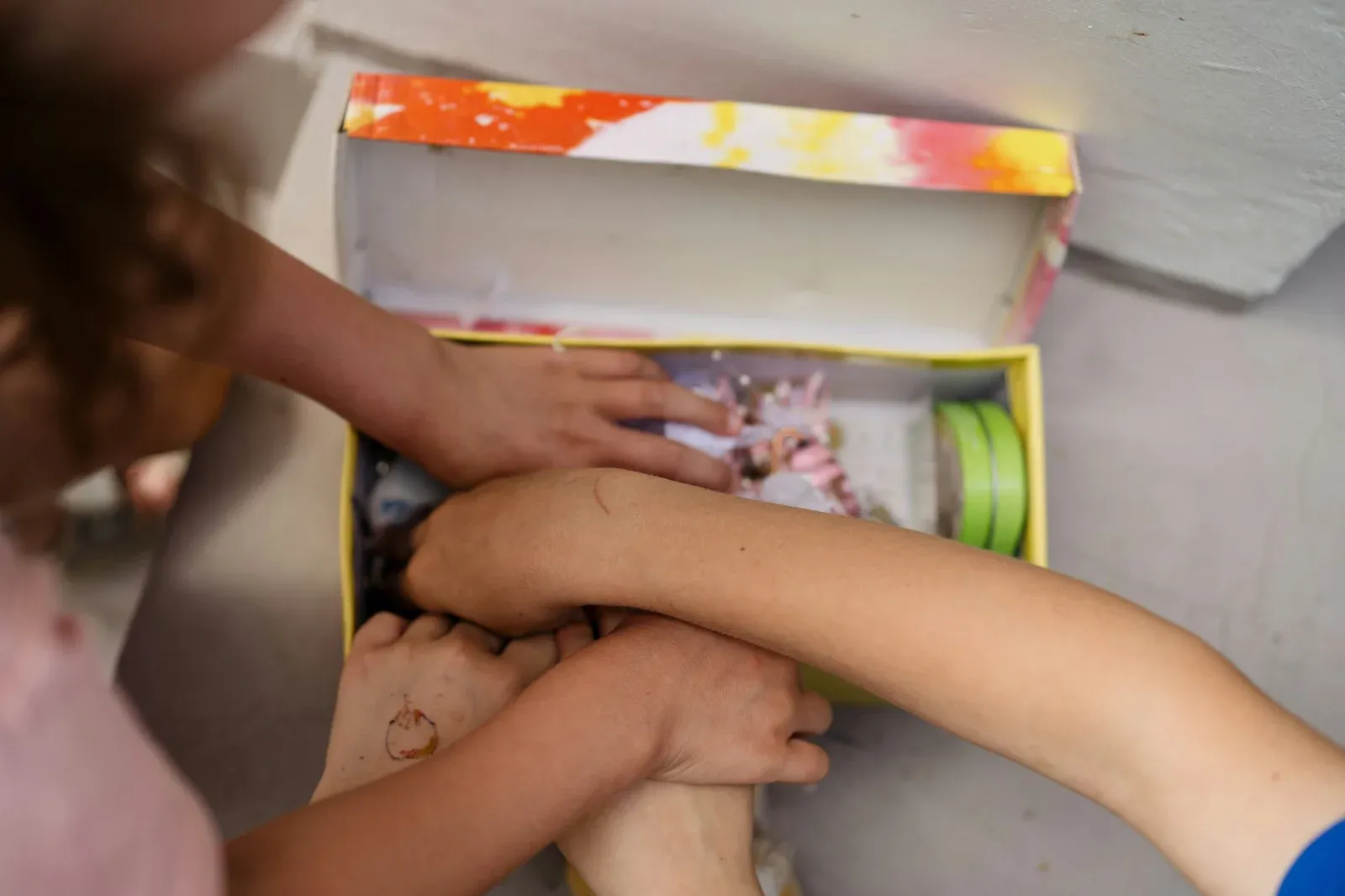
Here are 5 steps to creating and encouraging the use of a comfort box for children and adults.
- Decorate a box.
You do not need to buy anything fancy - use an old shoe box and decorate it with paint, craft objects, glue and felt tips. Be there to facilitate and get as involved as they want you to be and avoid just leaving them to it. Choose a time where you are both in a positive head space and decorating will provide the perfect opportunity for you to reflect on its use and talk about challenging times with an open mind.
- Choose the items.
Give your child autonomy over what items best support them in a time of crisis - you might not always agree, be surprised about what they choose or think of them as impractical. Keep these views to yourself, this is a personal journey and they will only invest in it if they have directed the activity.
Items might include:
- A soft toy
- A fidget toy such a poppet or spinner
- A visual timetable (these do not work for everyone!)
- A photograph of someone special
- Something calming like a lava lamp or glitter jar
- Special gems or jewels
- Favourite song suggestions
- A music player
- Ear defenders
- Favourite comfortable clothes they can change into
- Breathing or movement cards
- Cushions and pillows
- Blankets
- Breathing cards.
Never force a child to breathe when they are seething. Have you ever been told to take a breath in the height of a crisis - it is the most irritating thing in the world! Learn how to breathe together when you are both in a settled and open minded state. You can use these cards for ideas (opens in a new tab). Your child can then use breathing techniques previously learned, if they want to, when in a crisis. Perhaps using that breath yourself when you are enraged will better model the calming effect it can have.
- Nothing is set in stone.
My daughter is all about novelty so something can seem like a great idea and she is full of enthusiasm one minute and then she hates it, finds it boring and never wants to see it again the next. This can change again and again. Avoid getting rid of items they no longer like or say “you loved that last week” - allow them to flow with their own thoughts and feelings about strategies and objects of comfort as they wish. The box can be a constant and although you should encourage and remind them of its existence, never pressure them to use it - if you insist they use it they won’t!
- Make one for yourself.
Look after yourself and explore what helps you when you are feeling low, anxious or stressed? Talk about it (using age appropriate language) with your children - show them that we do not need to be scared of our feelings. Model using the box and talk about which items you have chosen at certain challenging times - this will help them learn how to feel, name and respond to their emotions.
Click here to learn more about our child 1:1 wellbeing tutoring sessions.